⚠️ ATTENTION: If your “TMJ pain” is spreading across your whole face… it may NOT be TMJ at all.
Is a hidden nerve pinch at C1–C3 sending pain into your jaw, temples and head?
When the C1–C3 nerve bundle gets squeezed from poor posture, desk work or sleep positions, the pain radiates outward —jaw → cheek → temple → head.
This creates a confusing symptom pattern that feels like TMJ,but the real cause is sitting at the top of your spine.
60-Day Money Back Guarantee
 ★★★★★ "I spent years thinking it was ‘just TMJ’ — jaw pain, clicking, tightness spreading into my temples. I went through so many night guards but nothing ever changed. No one ever mentioned that the real problem could be a compressed C1–C3 nerve hub in my neck. After using this device a few times, the deep jaw tension finally eased and those sharp temple headaches almost disappeared." – Linda M.

The Real Problem Isn’t Your Jaw — It’s the C1–C3 “Nerve Crossroad”
The illustration above shows something most TMJ sufferers are never told:
The C1–C3 nerve junction at the base of the skull is the crossroads between:
- The TMJ (jaw) nerve
- The nerves that control face, temple, and forehead pain
- The upper cervical nerves
When the suboccipital muscles become tight from poor posture, jaw clenching, desk work, or sleeping in the wrong position, they press directly on this nerve hub.
And when that happens, the pain doesn’t stay in one place — it spreads along the entire nerve network:
- up into the temples
- across the forehead
- around the ears and eyes
- and down into the neck and shoulders
This is why:
- TMJ pain triggers headaches
- Headaches trigger jaw tightness
- And neck strain makes both worse
Because they all stem from one hidden source:
👉 The C1–C3 Trigeminocervical Convergence

What TMJ Actually Is — and Why It Affects More Than Just Your Jaw
TMJ stands for the temporomandibular joint, the hinge that connects your lower jaw to your skull.
But when people say they “have TMJ,” they’re actually referring to TMJ Disorders — a condition that can cause:
- Jaw pain or tenderness
- Clicking or popping sounds while chewing
- Difficulty or pain when opening the mouth
However, when the pain spreads to your head, face, ears, or neck, it’s rarely just a jaw-joint problem.
In most cases, it’s a sign that your jaw, neck muscles, and the surrounding nerves are all being affected, creating a much wider chain of symptoms than you might expect.

The Hidden Nerve Crossroad at C1–C3: Why Jaw Pain and Headaches Happen Together
Right beneath the base of your skull sits a small but powerful hub where the upper cervical nerves — C1, C2, and C3 — converge and interact with the nerves that control your jaw, face, temples, and parts of your head.
When the C1–C3 nerves become irritated or compressed, your brain can interpret the signals as:
- TMJ pain in front of the ear
- Radiating pain into the temples and forehead
- Pressure, ringing, or fullness inside the ear
- Tightness that runs from the jaw down into the neck and shoulders
This is why jaw pain and headaches often show up together — they’re coming from the same overloaded nerve center, not two separate problems.

Posture, clenching, biting patterns, and stress all overload the same C1–C3 nerve center
Many everyday habits that seem harmless are actually putting constant pressure on the C1–C3 nerve crossroads, triggering a chain reaction through your jaw, face, and head:
- Sleeping in the wrong position — high pillows, twisted neck, side-bending
- Looking down at your phone or laptop for hours, pulling the head forward
- An uneven bite, forcing the jaw to work asymmetrically
- Nighttime teeth grinding, keeping the jaw clenched for long periods
- Chronic stress, tightening the jaw and neck muscles all day
Together, these habits lead to:
- The suboccipital muscles under the base of your skull becoming tight and rigid
- The upper cervical joints (C1–C3) becoming restricted or “stuck”
- The nerve hub that controls your jaw, face, and head becoming compressed
👉 The result:
Jaw pain, clicking, TMJ flare-ups, and deep tightness — along with pain spreading into the temples, forehead, around the ear, and down the neck.
These symptoms are not separate issues; they’re all part of one connected chain, caused by the same overloaded nerve center.

Why Treating “Just the TMJ” Almost Never Solves the Real Problem
Most common TMJ treatments only address one small piece of a much bigger issue:
- Night guards protect your teeth — but they don’t release the compressed C1–C3 nerves
- Massage therapy relaxes surface muscles — but doesn’t reach the deep suboccipital muscles under the base of the skull
- Painkillers and muscle relaxers dull the pain — but don’t correct posture or reduce nerve pressure
- Posture exercises help — but don’t simultaneously calm the TMJ joint and the irritated nerve center
And as long as the C1–C3 nerves remain compressed and the deep neck muscles stay tight…
👉 TMJ pain, jaw clicking, facial tension, and headaches will keep coming back —
no matter how many guards, massages, or medications you try.

Most TMJ treatments overlook the C1–C3 nerves beneath the base of the skull
After years of treating patients with TMJ disorders, jaw tension, and posture-related headaches,
I began noticing the same mistake repeated over and over:
We focus heavily on the jaw joint and the bite,
but almost no one talks about the C1–C3 nerves sitting right beneath the base of the skull.
And when these nerves become compressed, the pain doesn’t stay in one place — it
spreads from the jaw into the face, head, neck, and shoulders.
This is why I helped develop a 3-Point Cervical Release device, designed specifically to:
- Release the overloaded C1–C3 nerve crossroad
- Relax the deep neck and suboccipital muscles
- Address TMJ pain and headaches at their shared root — not just at the jaw

The 3-in-1 At-Home Solution That Targets the Nerve Root Behind TMJ Pain and Headaches
The HealthEase™ Cervical Support Device was designed with one purpose:
to decompress C1–C3 and calm the deep muscles beneath the skull,
so the nerves that feed your jaw and head can finally relax.
It combines three core therapies in one device:
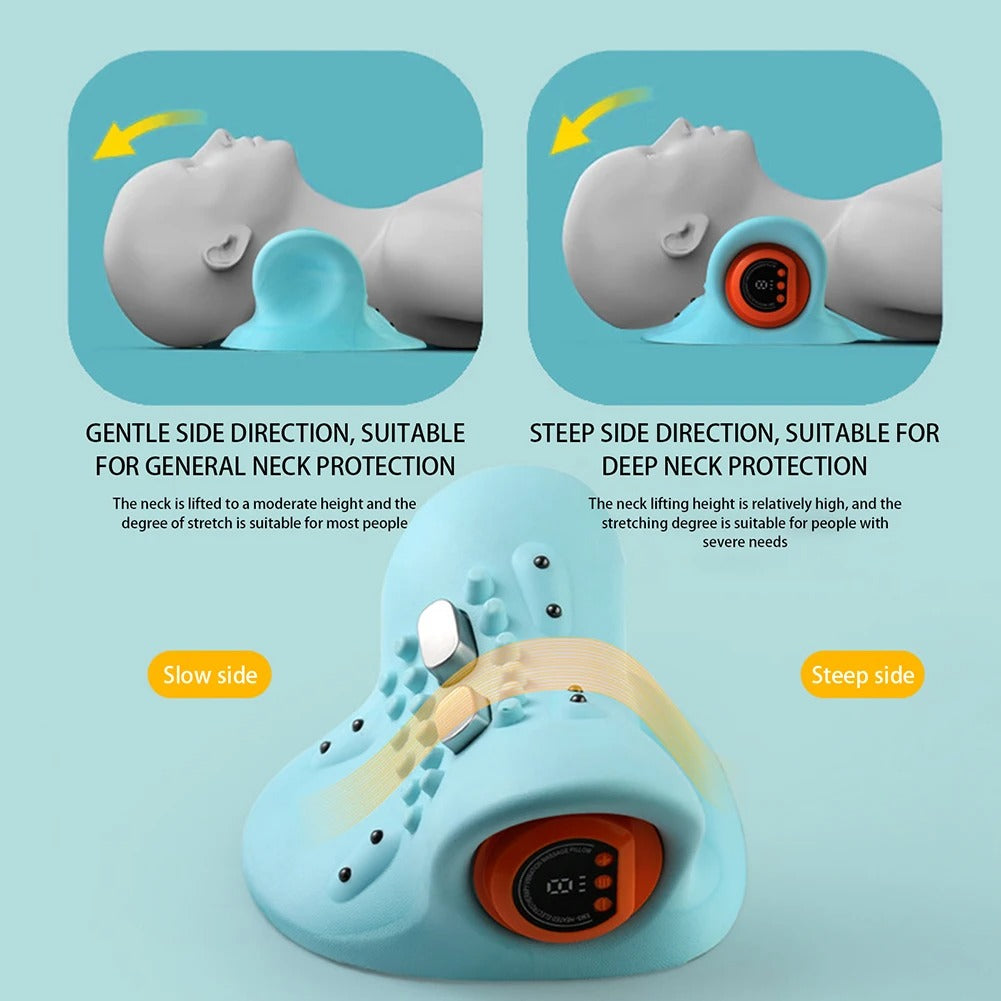
1. EMS (Electro-Muscular Stimulation)
Gentle electrical impulses activate the neck muscles, causing them to contract and relax like a natural pump.
This:
- Boosts blood circulation
- Releases deep tension
- Reduces pressure on the sensitive nerves around the C1–C3 cervical region
2. 3-Level Heat + Deep Tissue Massage
Soothing heat loosens tight muscles and widens blood vessels, while targeted massage releases stubborn knots linked to TMJ pain and headaches.
Together, these two therapies:
- Reduce mechanical pressure
- Improve nutrient flow to the nerves
- Stimulate lymphatic drainage to calm the entire area
3. Cervical Traction at the Exact 26° Angle
Once the muscles relax, the device gently stretches your neck at the precise 26° angle proven to decompress the upper cervical spine.
This:
- Reduces pressure on discs and joints
- Helps realign the upper cervical region
- Gives the C1–C3 nerves the space they need to breathe and recover
HealthEase’s 3-in-1 Therapy System: Targeting the C1–C3 Nerve Crossroad Behind TMJ & Head Pain
Here’s why combining these three therapies in one device is so effective when TMJ pain, facial tension, neck tightness and headaches all show up together:
The HealthEase Promise
-

Safe & Non-Invasive
-

Clinically Backed Therapies
-

Drug-Free & Side Effect-Free
-

Adjustable Heat & Massage/EMS Settings
-

Soft, Supportive Neck Cradle
-

Easy To Use At Home — No Appointments Required


What Should I Expect From Consistent Use of HealthEase™?
Feel gentle warmth, EMS and support start to soften the tight band under the base of your skull. Many people notice their jaw feels a little less braced, turning the head feels easier, and the heavy pressure around the temples or ears lightens slightly after just one use.
Tension in the suboccipital area and upper neck begins to release more quickly. Jaw aching after talking or chewing doesn’t build up as fast, and the pain that used to jump from the jaw into the temples or behind one eye often feels less sharp. Some users also notice fewer crackles, pops or fullness around the ear.
The deep muscles surrounding C1–C3 start to settle into a healthier position. Daily strain from phones, laptops and poor posture doesn’t “stick” the way it used to. Jaw tightness, TMJ clicks and facial tension often reduce, and many people wake up with less morning clenching or grinding.
You move with less guarding through your neck, jaw and shoulders. Chewing, talking and yawning feel more natural, with less fear of triggering a flare-up. The familiar pattern of pain that used to run jaw → cheek → temple → head shows up less often and fades more quickly when it does.
You’ll typically feel more lasting improvements in upper-cervical alignment, neck mobility and everyday comfort. Your posture looks and feels more relaxed instead of forced. Recurring TMJ episodes, ear pressure and tension headaches are milder and less frequent as the C1–C3 nerve crossroad finally gets a chance to recover.
For many users, this is where a new normal begins:
a neck that supports your jaw instead of stressing it,
far fewer “mystery” face and temple pains,
less dependence on splints, quick fixes and painkillers,
and a jaw–neck–head system that feels calmer, looser and more balanced from the top down.
☑️ 60-Day Money Back Guarantee
What Should I Expect From Consistent Use of HealthEase?
Reported results from users in post-purchase surveys and internal testing:

Here’s What HealthEase’s Users are saying:

Our Belief:
Daily Relief Should Be Simple, Calming, and Treat the Root — Not Just the Jaw.
Living with TMJ isn’t just about an aching jaw.
It’s the temple headaches, the pressure around your ears, the neck that never quite relaxes, and the way that whole jaw–face–head tension slowly drains your energy.
We don’t believe your only options are: “take more meds” or “learn to live with it.”
We believe that for many people, jaw pain, headaches and neck tension are all part of the same chain — and that chain runs through a small but powerful hub at the C1–C3 nerve crossroad beneath the base of your skull.
If you never calm that area — the deep neck muscles and the nerves around C1–C3 — you’ll just keep chasing symptoms from one place to another.
That’s why we designed HealthEase™ to:
- gently relieve pressure around the upper neck and C1–C3 nerve hub,
- relax overworked deep muscles that constantly pull on your jaw,
- and support a calmer, more balanced jaw–neck–head system —
without more pills, endless appointments or complicated routines.
Just 10–15 minutes a day is enough to give your neck, jaw and nerves a real chance to reset.
You deserve to chew, talk, yawn and live your life
without waiting for the next jaw flare, temple headache or wave of ear pressure to hit.
How It Works?
Using HealthEase™ is simple and relaxing:
1️⃣ Set Your Angle: Choose low stretch for gentle support or high stretch for deeper relief, depending on what your neck needs.
2️⃣ Add Heat (Optional): Select one of three soothing heat levels, or turn it off if you prefer a cooler session.
3️⃣ Customize Your Program (Optional): Adjust the EMS strength and massage pattern, then set the vibration level for the perfect combination.
4️⃣ Lay Back and Relax: Recline comfortably, let HealthEase™ do the work, and feel the difference in just 15 minute
What Makes HealthEase So Special?
At HealthEase, we pride ourselves on quality and safety. Every product is carefully tested and checked to ensure it’s safe, reliable, and built to last.
| HealthEase | Other solutions | Meds | |
|---|---|---|---|
| Lasting pain relief | |||
| Drug free | |||
| Easy and comfortable to use | |||
| Activates natural healing | |||
| 3 Therapies in 1 device | |||
| Reverses damage in the neck | |||
| No side effects | |||
| Affordability |

Due to high demand due to the current offer, December has a very high risk of selling out ⚠️
LIVE PAIN FREE AGAIN60-Day Money Back Guarantee
Who is HealthEase for
-

Desk Workers
who spend hours hunched over a computer or phone and now struggle with jaw tension, temple headaches, ear fullness or clicking, plus a stiff upper neck that never really loosens up — classic signs that forward-head posture is overloading the C1–C3 nerve crossroad. -

Retirees
who want to stay active and enjoy life, but keep getting held back by aching jaws, one-sided headaches, pressure around the ears and a neck that easily flares up after reading, watching TV or looking down too long — as if the whole jaw–face–head area is wired together (because through C1–C3, it is). -

Healthcare Workers & Caregivers
who spend their days caring for others while quietly battling their own jaw clenching, facial tension, neck stiffness and TMJ flare-ups from long shifts, forward-head posture and constant stress, all of which keep the C1–C3 region braced and irritated. -

Manual Laborers & Active Workers
whose jobs demand a lot from their bodies and leave them not just sore, but dealing with jaw pain, tight neck and shoulders, temple pressure and ear symptoms after long days of lifting, bending and looking down — repeatedly triggering the same overloaded C1–C3 nerve center.


How Our Bodies Broke Down in a World of Screens, Stress & Forward Head Posture
Our bodies weren’t built for 10 hours a day at a desk or for staring down at phones from morning to night.
When your head is constantly pulled forward, the small joints and muscles at the very top of your spine — around C1, C2 and C3 — stay tight, compressed, and under load.
Right under the base of your skull, those joints and suboccipital muscles sit beside a critical nerve crossroad that links your jaw, face and parts of your head.
Over time, constant strain from bad posture, high pillows and screen use starts to irritate this C1–C3 nerve hub and overload the muscles that control your jaw.
That’s when people begin to notice what feel like “random” symptoms:
- Aching or tightness in the jaw, especially near the TMJ joint
- Headaches that wrap around the temples, forehead or behind one eye
- Clicking, popping or locking when you yawn, chew or talk a lot
- Ear fullness, pressure or ringing even when there’s no infection
It doesn’t start as “just a jaw problem” — it starts with upper cervical tension at C1–C3 quietly throwing your jaw, neck and head out of balance, until the whole system begins to hurt together.

Most of the healthcare system is built to treat each symptom separately:
a splint or night guard for the jaw, painkillers for the headaches, drops for the ears, maybe Botox or muscle relaxants for the tension – plus more scans, more tests and more appointments.
Those things may help in the short term…
but they rarely touch the real driver of the pattern:
the upper cervical tension at C1–C3 and the tight suboccipital muscles that keep irritating the shared nerve hub feeding your jaw, face and head.

At HealthEase, we don’t believe the answer is more medication.
We believe in smarter therapy that helps the C1–C3 nerve crossroad and overworked jaw/neck muscles calm down at the source.
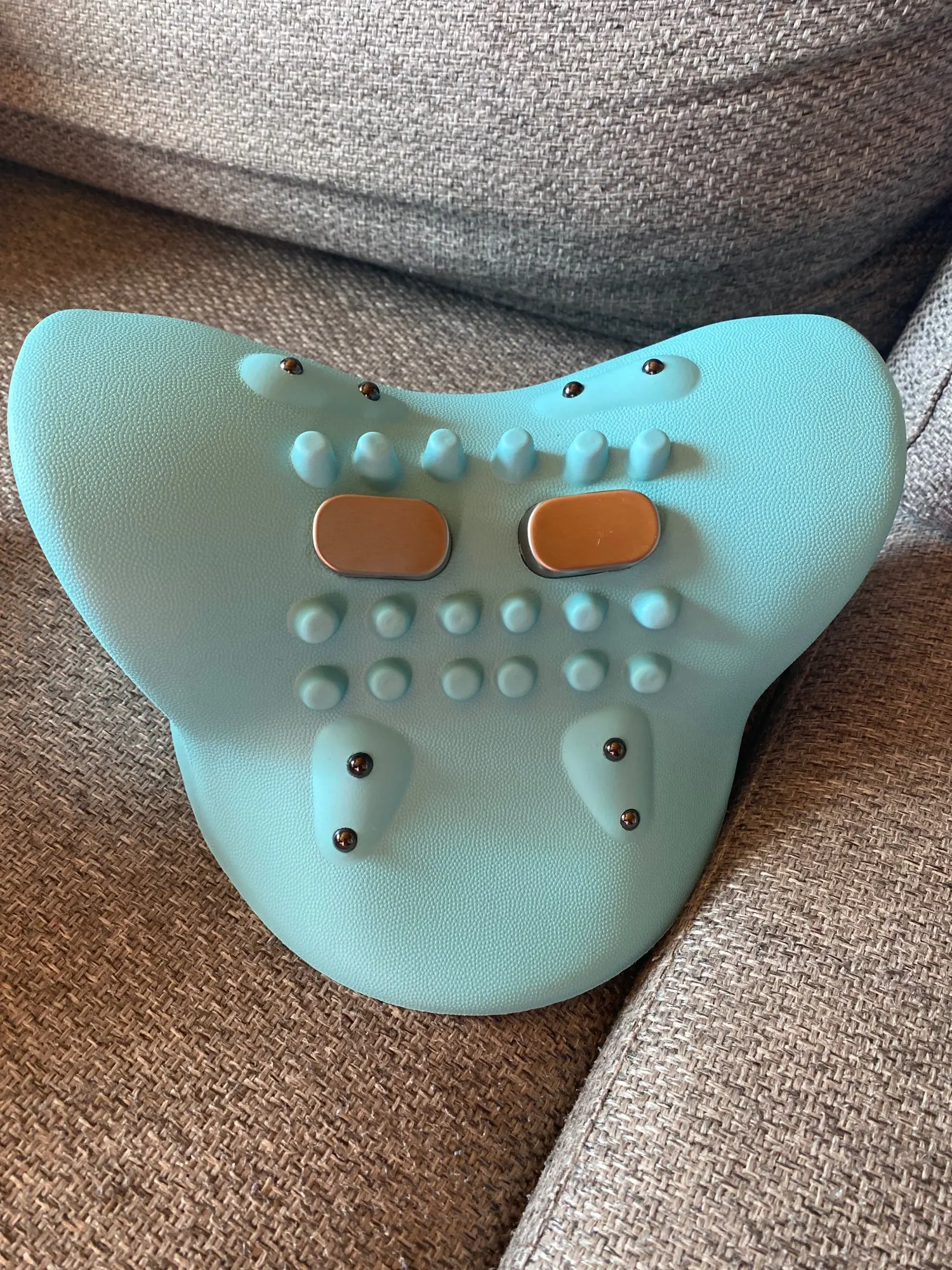
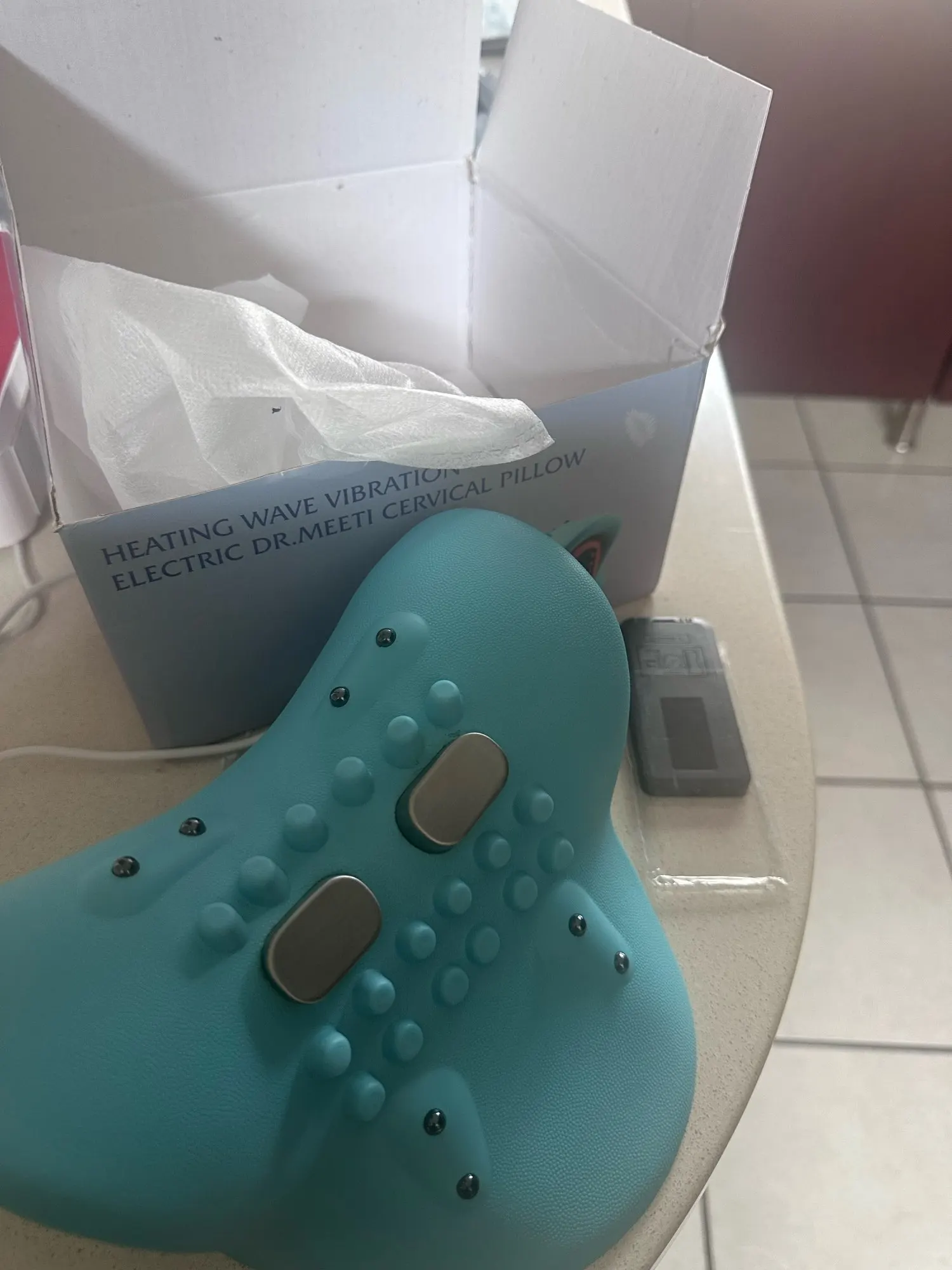
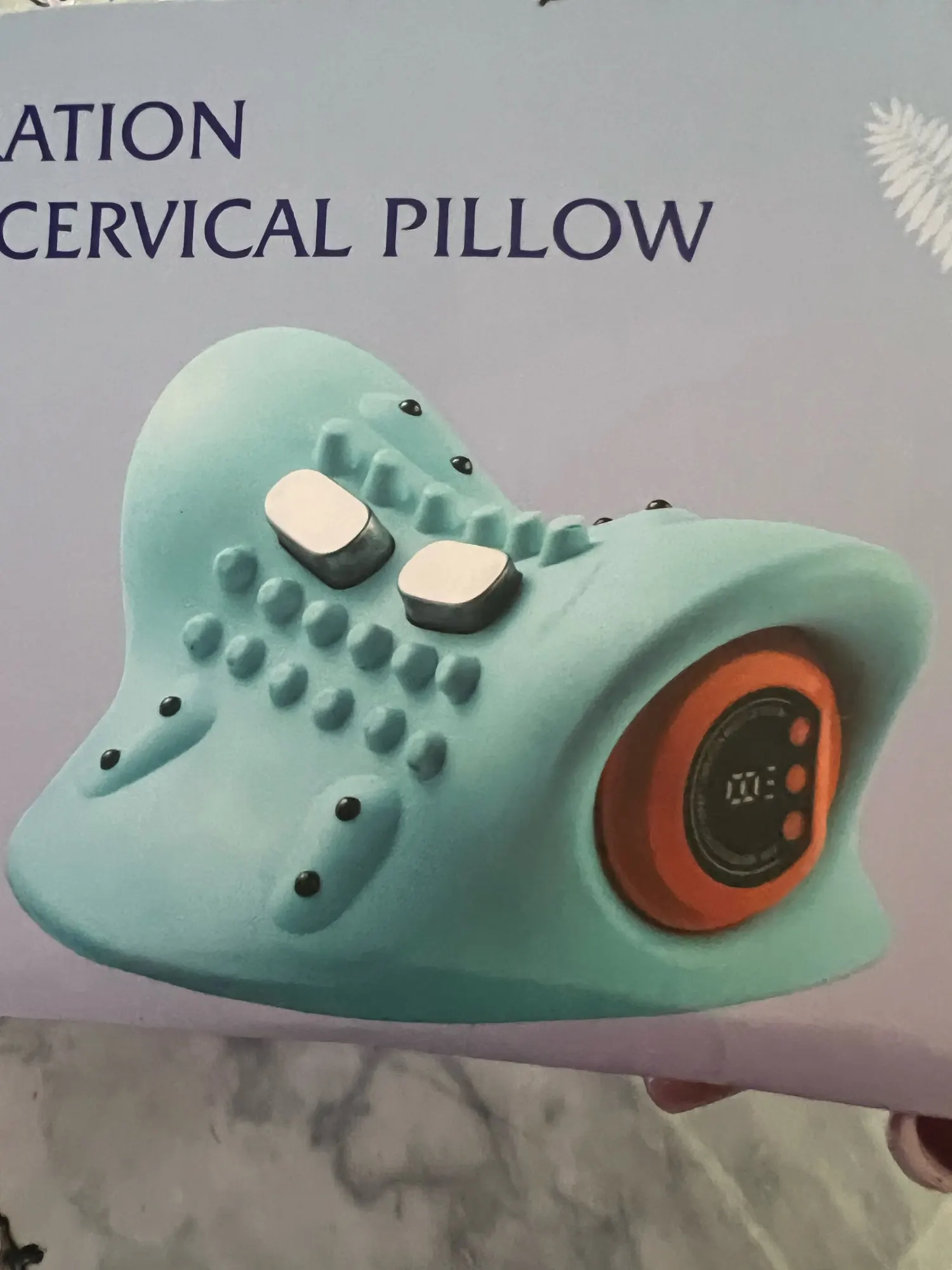
That’s why we created the HealthEase™ Cervical Massager Pillow – a 3-in-1 home device that:
- Uses gentle traction to create space around the upper cervical joints (C1–C3) and the sensitive nerve hub that sends pain into your jaw, face and head
- Adds massage/EMS to release deep suboccipital and neck muscle tension under the base of the skull that keeps pulling your head forward and overloading your TMJ
- Delivers soothing heat to relax tight tissues and support calmer, more balanced nerve signals along the whole jaw–neck–head chain
The goal isn’t to “manage” jaw pain, temple headaches, ear pressure or TMJ flare-ups forever.
It’s to reduce the hidden tension at C1–C3 that’s driving them –
so your jaw and neck can finally settle, your symptoms start to make sense,
and you can get your normal life back without living on splints, pills or constant appointments.

HealthEase™ | Cervical Massager Pillow
HealthEase™ | Cervical Massager Pillow
Not Available On Amazon & Ebay
Naturally calm TMJ flare-ups, face and temple pain, and ear pressure in minutes — right from home.
Gentle, drug-free relief for the overloaded C1–C3 nerve crossroad
Eases hidden tension on nerves serving your jaw, face, temples and head
Promotes a more relaxed jaw with less clenching, clicking and locking
Releases deep neck and suboccipital tightness behind TMJ pain, headaches and ear pressure
Day 1
Ordered
Day 1 - Day 2
Order Ready
Day 7 - Day 10
Delivered
Product Safety & Specifications
Product Safety & Specifications
- Material: PU
- Weight: ~800 g
- Battery: 1500 mAh (rechargeable)
- EMS: 6 intensity levels
- Heat: 3 temperature levels
- Vibration/Massage: 3 modes
- Power: USB charging (5 V input)
You can add one line under it like:
Usage and performance may vary based on individual sensitivity and selected settings.
How to Use
How to Use
Step 1 – Get comfortable
Place the pillow on your bed, sofa, or a flat surface. Lie down slowly and rest the back of your neck in the cradle so it feels supported and relaxed.
Step 2 – Power on
Connect the device to a power source if needed and press the power button to switch it on. Make sure all cables are secure and not under tension.
Step 3 – Choose your settings
Use the control panel to:
- Select your EMS level (start from level 1 if you’re new)
- Adjust the heat (3 levels) to a comfortable warmth
- Pick your preferred vibration/massage mode
Step 4 – Relax for 10–15 minutes
Close your eyes, breathe deeply and let the EMS, heat and vibration work together to relax your neck and shoulders. Avoid moving abruptly while the device is running.
Step 5 – Turn off & get up slowly
When you’re done, turn off the device and carefully sit up. Move your neck gently from side to side to feel the difference.
Helpful tips:
- Use once or twice a day, about 10–15 minutes per session.
- Always start on the lowest intensity and increase only if comfortable.
- Stop use immediately if you feel pain, dizziness, or strong discomfort.
Warranty Policy
Warranty Policy
We provide a full warranty that protects your device against any manufacturer or technical defects that may occur during normal use.
What’s Covered
- Device not powering on
- Motor or vibration issues
- EMS/microcurrent function not working
- Charging or battery problems
- Internal component, chip, or circuit failures
- Buttons or display not functioning properly
What’s Not Covered
- Damage from drops, impacts, or improper handling
- Water damage or exposure to liquids
- Normal wear and tear
- Damage caused by using incorrect charging cables or voltage
- Unauthorized repairs or modifications
How to Request Support
- Send us a short video clearly showing the issue.
- Our support team will review and verify the defect.
- Once approved, we will ship you a brand-new replacement unit.
- You do not need to return the defective product.
Our goal is to make warranty support simple, fast, and hassle-free, ensuring you always have a fully functioning device.
Shipping & Delivery
Shipping & Delivery
Your order will be thoroughly prepared, carefully inspected, and shipped within 24-72 hours of receiving your payment. Once shipped, it will arrive at your doorstep within 7-14 business days. You'll also receive an email with a tracking code, which you can use on our dedicated tracking page to monitor your order anytime.
Refunds & Returns
Refunds & Returns
We love our products and we are sure you will too! That's why we offer a 60-day risk-free trial period. If you are not satisfied, we will gladly refund you according to our return and refund policy.
-

I thought it was just TMJ for years — jaw pain, clicking, and constant temple headaches. After using HealthEase™, my jaw feels looser and that pain chain from jaw → temple → around the ear has calmed down a lot.
-

Desk work and night grinding gave me jaw pain that always turned into one-sided headaches. Working on the C1–C3 area with HealthEase™ finally released that deep neck tension, and the jaw/temple pain doesn’t hit me every afternoon anymore.
-

My jaw used to ache in front of the ear, then the pain wrapped up into my face and head. Since using HealthEase™, my neck feels less jammed, I’m not clenching all day, and those ‘TMJ headaches’ are now rare instead of daily.